Independent Buying Guide • Updated September 2026
Best Oral Probiotics in 2026: What Should You Look For?
We reviewed the key factors consumers should compare before choosing an oral probiotic — including strains, ingredients, format, and overall value.
Continue Reading Our Full Buying Guide ↓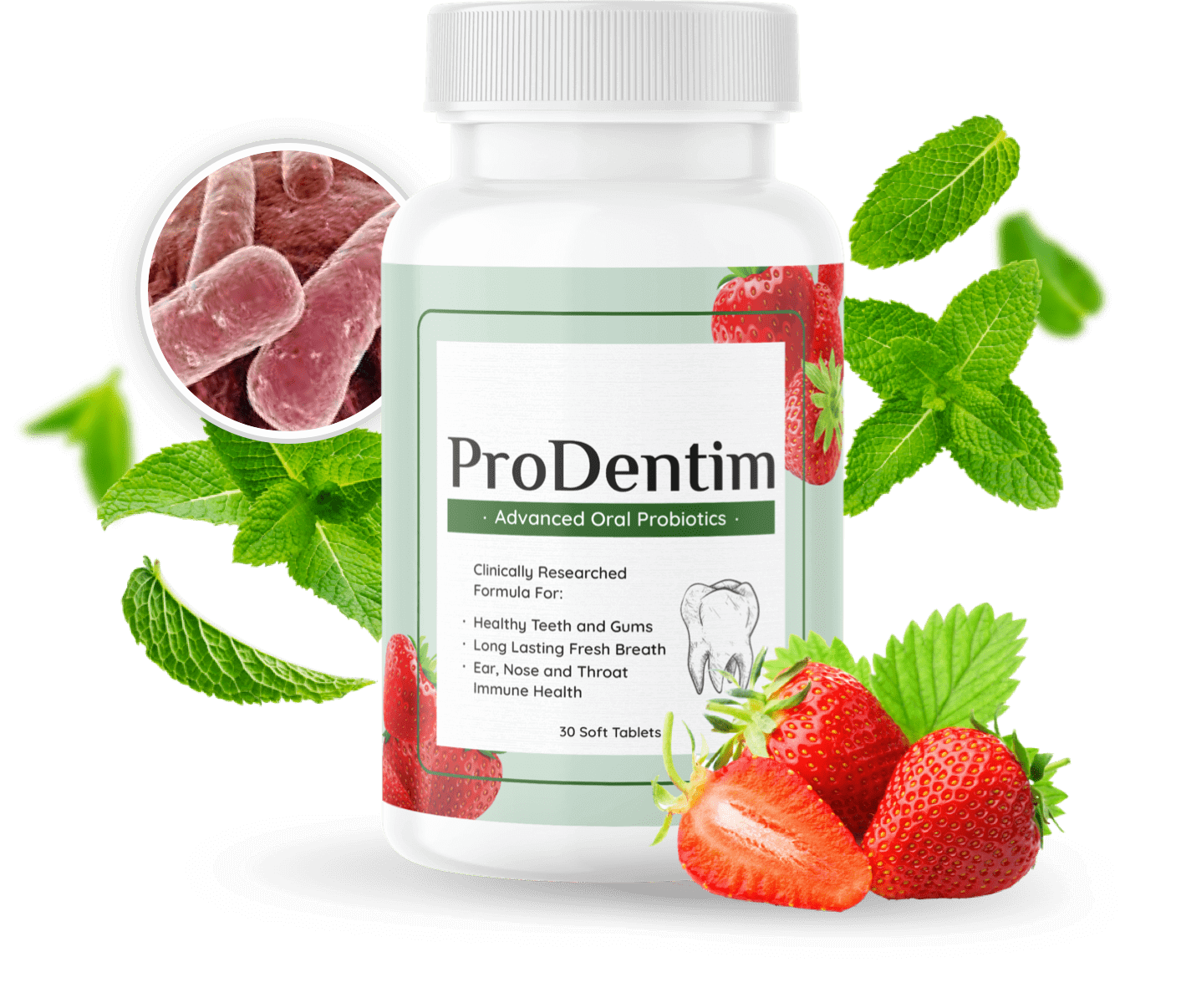
Featured Pick
ProDentim
A popular oral probiotic formula designed to support the oral microbiome.
- Multi-strain probiotic formula
- Convenient daily format
- Available from the official website
Official Website • Secure Checkout
Affiliate disclosure: We may earn a commission if you purchase through our links, at no additional cost to you.
Product Spotlight
Why ProDentim Is Worth a Closer Look
ProDentim is one of the oral probiotic products consumers may encounter when researching this category. Here are four practical characteristics to consider before deciding whether to research it further.
Multi-Strain Formula
Includes multiple probiotic strains in its formulation.
Oral-Probiotic Focus
Marketed specifically around supporting the oral microbiome.
Simple Daily Format
Designed to fit into a convenient daily routine.
Direct Availability
Current product information and purchasing terms are available through the official website.
Want to check the current ingredients, pricing and purchase terms?
Official Website • Secure Checkout
Affiliate disclosure: We may earn a commission if you purchase through our links, at no additional cost to you.
Quick Takeaway
When comparing oral probiotics, start with what the label makes verifiable: the named microorganisms and strains, serving format, complete ingredient list, directions, storage requirements, manufacturer details, and purchase terms.
No single label feature guarantees an outcome. Compare products on the same criteria, treat broad claims cautiously, and remember that a supplement is not a substitute for brushing, cleaning between teeth, professional dental care, or individual medical advice.
Oral probiotic supplements have grown into a distinct product category over the past several years, and the number of options on the shelf has grown with it. Products in this category are marketed in a variety of formats and with a wide range of label detail, which makes side-by-side comparison harder than it looks.
This guide is written for shoppers who want to understand the category before choosing anything. It explains what these products generally are, which label details are worth comparing, and how to evaluate purchase terms. It does not rank products, score them, or tell you what your body needs.
What Are Oral Probiotics?

Probiotic supplements are dietary supplements that contain live microorganisms. They are sold in many formats and are regulated in the United States as dietary supplements rather than as drugs.
Why oral-specific formulations exist
The mouth hosts its own community of microorganisms, often described as the oral microbiome. Products marketed as “oral probiotics” are formulated with that setting in mind — most commonly as chewables or lozenges intended to dissolve in the mouth rather than be swallowed immediately.
How they differ from conventional digestive probiotics
Digestive probiotic products are generally designed to be swallowed and to travel through the digestive tract. Oral products are generally designed for contact time in the mouth. The strains listed on the label frequently differ as well. Neither category is a version of the other, so a label from one should not be read as a substitute for the other.
Common supplement formats
Chewable tablets, slow-dissolving lozenges, powders and capsules are all used in this category.
Why ingredients and formulation transparency matter
Because formulations vary so much between brands, the label is the most useful comparison tool a shopper has. A product that publishes its full ingredient list, its strain designations and its serving details before purchase simply gives you more to work with than one that does not.
How They Differ From Traditional Probiotics

Traditional digestive probiotics are usually designed to be swallowed and pass through the digestive tract. Oral products are commonly designed to dissolve or be chewed in the mouth. The listed organisms and directions may also differ, so one category should not be treated as a substitute for the other.
Understanding Strains
A probiotic name can include a genus, species and strain designation. Strain-level detail makes comparisons more precise because information about one strain should not automatically be applied to every member of the same species.
Ingredient Transparency

A useful product page should make the complete label available before purchase. Review active and other ingredients, serving details, allergen information, sweeteners and storage instructions without assuming an undisclosed detail.
Delivery Format

Lozenges, chewable tablets, powders and capsules create different routines. Compare how the product is intended to be used, whether the instructions are clear and whether its storage needs suit your household.
Value & Refund Policies
Calculate value using price per serving rather than bottle price alone. Before ordering, read delivery charges, subscription terms, the refund window, product-condition requirements and the process for requesting a return.
What We Compare
These are the six criteria Clever Cart Guide uses when comparing products in this category.
Formula Transparency
A complete ingredient list should be readable before you pay, not only after delivery. Look for the full list including inactive ingredients, sweeteners and allergens, along with the serving size and servings per container.
Probiotic Strain Information
Probiotic labels can list a genus, a species and a specific strain designation. Products that identify strains clearly make it far easier to compare two supplements — and to check the same information elsewhere.
Serving Format
Oral probiotic products are commonly sold as chewable tablets, lozenges, powders or capsules. Format affects how a product is used, how it is stored and whether it fits comfortably into your daily routine.
Label Clarity
Check whether the company publishes a business name, a contact method and customer support details. Clear manufacturing and storage information is another useful signal of how much a company discloses.
Refund Policy
Refund and return terms vary widely between sellers. Read the stated window, what condition the product must be in, who pays return shipping, and how a refund request is submitted — before you order.
Price & Value
Price alone is not value. Divide the total price by the number of servings to get a price per serving, then weigh that against format, ingredient disclosure and purchase terms.
Featured Product
The products below are options consumers may encounter while researching this category. Details come from the manufacturer or the site owner; fields that have not been verified are simply left out rather than filled in with an estimate.
Featured Product
Editorial product profileProDentim
An oral probiotic marketed as a dietary supplement and sold through the manufacturer's own website. Clever Cart Guide is not the manufacturer or seller.
ProDentim is one oral probiotic product consumers may encounter while researching this category. Clever Cart Guide has not personally tested it, and current details should be confirmed on the manufacturer's website.
- Format
- Dietary Supplement
- Availability
- Manufacturer's Website
Clever Cart Guide has not personally tested this product. Current details, pricing and terms should be confirmed on the manufacturer's website.
What Stands Out
- Oral-probiotic-focused formulation
- Direct manufacturer availability
- Easy-to-understand product format
Things to Consider
- Individual experiences can vary
- Dietary supplements are not substitutes for professional dental or medical care
- Consumers should review the complete ingredient list before purchasing
Formula & Format
Review the complete formula, strain details, serving directions and dietary supplement format on the current product page before deciding whether it fits your comparison criteria.
Who May Want to Research It Further
Consumers comparing oral-probiotic-focused supplements who want to examine the current label, purchase terms and manufacturer information in more detail.
Visit the manufacturer's website to review current product information, ingredients, pricing and purchasing terms.
We may earn a commission if you purchase through links on this page, at no additional cost to you.
How Clever Cart Guide Evaluates Products
Our evaluations consider product information transparency, manufacturer information, features or ingredients disclosed by the manufacturer, ease of use, purchasing terms, refund information, verified price and value, and overall consumer considerations.
We do not accept payment in exchange for positive ratings, and we do not claim to have personally tested a product unless the article explicitly states that it was tested by Clever Cart Guide. Read the full method on our How We Review page.
Before You Buy: Quick Checklist
Take this with you to any product page, in this category or another.
- Read the full ingredient label
- Look for clearly identified probiotic strains
- Review usage instructions
- Review refund terms
- Check manufacturer contact information
- Compare price per serving
- Discuss supplement use with a qualified healthcare professional when appropriate
Frequently Asked Questions
Sources & Further Reading
Continue Reading

Health & Wellness · Updated September 2026
Oral Probiotics: A Beginner’s Guide
A plain-language starting point for understanding the category, reading labels, and comparing products without the hype.
7 min read
Read Article
Health & Wellness · Updated September 2026
Oral Probiotics vs Regular Probiotics: What’s the Difference?
A practical comparison of intended use, delivery format, label information, and the questions each category raises.
8 min read
Read ArticleHealth & Wellness · Updated September 2026
How to Read a Probiotic Supplement Label
A field-by-field guide to the information that makes probiotic products easier to compare.
9 min read
Read ArticleAbout Clever Cart Guide
Clever Cart Guide creates independent buying guides designed to help consumers compare products, understand product features and make more informed purchasing decisions. We are not the manufacturer or seller of any product mentioned on this page.